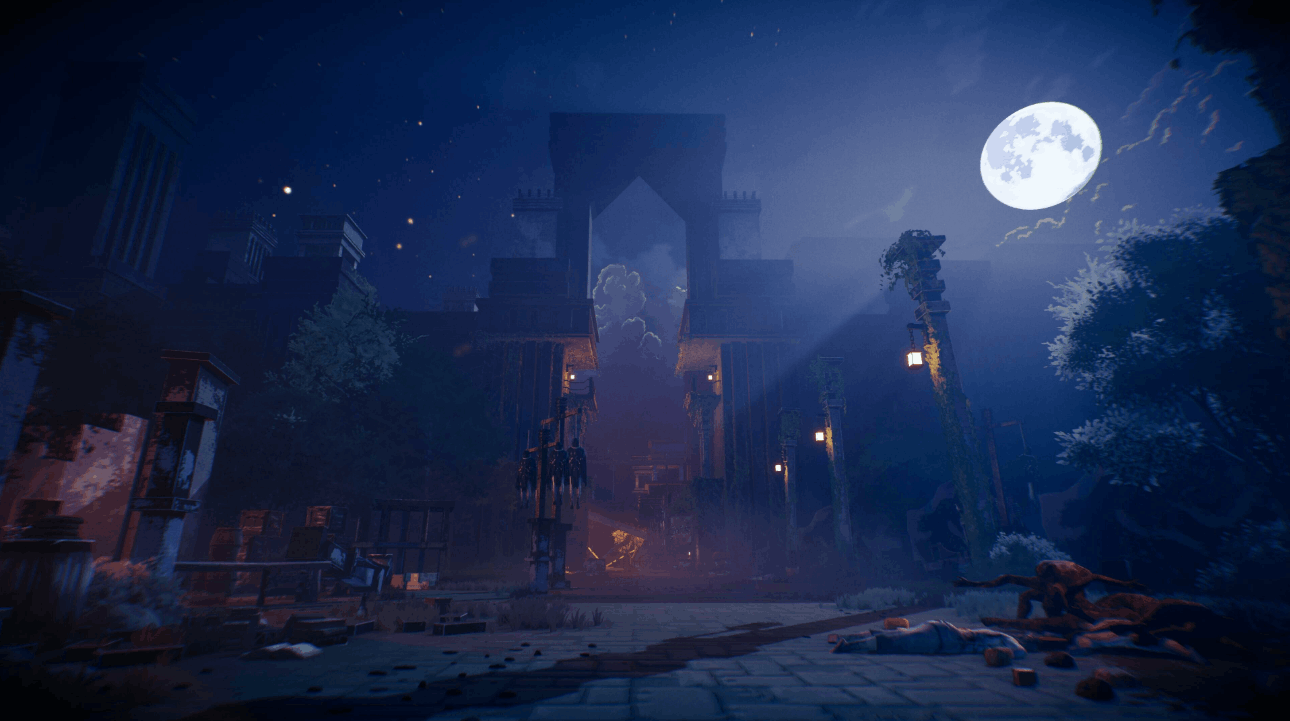
Art Games' Bold Visual Style
Art games have always pushed the boundaries of what we expect from interactive entertainment, and their bold visual style stands at the forefront of this revolution. These titles prioritize aesthetics over hyper-realistic graphics, embracing visual style that captivates and challenges players. In art games, unusual graphics become the narrative core, turning every frame into a canvas of emotion and innovation. From pixelated dreams to watercolor worlds, this bold visual style redefines gaming, making art games unforgettable experiences that linger in the mind long after the controller is set down.
Consider the mastery of unusual graphics in pioneering art games like "Okami." Developed by Clover Studio, this gem employs a sumi-e ink wash painting technique that breathes life into Japanese mythology. The bold visual style here isn't just decorative; it's integral to gameplay. Players wield the Celestial Brush to paint elements into existence—restoring withered trees or slashing enemies with divine strokes. This fusion of visual style and mechanics showcases how art games use unusual graphics to make players feel like creators. In Brazil, where vibrant street art thrives, such innovative visual style resonates deeply, inspiring local developers to experiment with cultural motifs in their own unusual graphics.
The appeal of bold visual style extends to silhouette-based art games, where unusual graphics create mystery and tension without relying on detail. "Limbo," from Playdead, exemplifies this with its stark monochrome world. Shadows and outlines form haunting landscapes, forcing players to interpret horror through suggestion rather than gore. This visual style amplifies the game's themes of loss and peril, proving that less can evoke more. Art games like this thrive on unusual graphics that demand active imagination, turning passive viewing into participatory storytelling. Brazilian gamers, accustomed to carnival's dramatic contrasts, find this bold visual style particularly immersive, bridging cultural expression with digital art.
Hand-drawn animations bring another layer of boldness to art games' visual style. "Cuphead," by Studio MDHR, channels 1930s rubber hose cartoons with meticulous frame-by-frame work. The unusual graphics burst with personality—bosses contort in exaggerated fury, levels pulse with jazzy rhythm. This visual style doesn't just entertain; it challenges players with run-and-gun precision amid chaotic beauty. Art games leveraging such techniques highlight how unusual graphics can honor historical art forms while innovating for modern audiences. In Brazil's animation scene, influenced by festivals like Anima Mundi, this bold visual style fuels aspirations for indie studios blending folklore with unusual graphics.
Abstract and experimental visual style further elevates art games, where unusual graphics defy convention. "Fez," created by Polytron Corporation, rotates its pixelated world to reveal hidden dimensions, playing with perception like an M.C. Escher puzzle. The bold visual style here manipulates space and reality, making players question what's real. Art games with this approach use unusual graphics to explore philosophical depths, far beyond standard shooters. Brazilian creators, drawing from surrealist traditions like Tarsila do Amaral, echo this in their works, infusing local surrealism into visual style that captivates global players.
Watercolor and fluid aesthetics define yet another bold visual style in art games. "Ori and the Blind Forest," from Moon Studios, paints a luminous forest with ethereal brushes, where light refracts through tears and foliage. Unusual graphics here convey grief and rebirth, syncing with emotional beats. Players glide through this world, feeling the visual style's pulse. Art games masterfully wield such elements to forge connections, proving bold visual style transcends language. From Brazil's tropical rainforests to digital realms, this unusual graphics approach inspires awe and introspection.
Even glitch art finds a home in art games' bold visual style, using unusual graphics to mirror digital fragility. "The Beginner's Guide," by Davey Wreden, distorts environments to delve into creator psyche, where broken pixels symbolize mental fractures. This visual style provokes discomfort and empathy, central to art games' power. Brazilian experimental artists, experimenting with favela-inspired glitches, relate to this rawness, expanding unusual graphics' narrative potential.
Mobile art games democratize bold visual style, making unusual graphics accessible. "Monument Valley," by ustwo games, crafts impossible architectures with clean lines and pastel hues, echoing optical illusions. The visual style guides serene puzzle-solving, turning phones into pocket galleries. Art games like this showcase how unusual graphics scale intimacy without losing impact. In Brazil's mobile gaming surge, such titles spark widespread appreciation for visual style innovation.
Brazilian art games themselves embody this bold visual style, blending local flair with unusual graphics. "Dandara," from Long Hat House, features a gravity-defying protagonist in a hand-painted dystopia inspired by quilombo heritage. The visual style pulses with Afro-Brazilian rhythms, using unusual graphics to critique oppression. Art games from this region highlight cultural boldness, enriching global discourse on visual style.
The bold visual style of art games influences mainstream titles too, infiltrating AAA with unusual graphics experiments. "Death Stranding," by Kojima Productions, weaves painterly landscapes into its trek, proving art games' visual style has broad reach. This crossover validates unusual graphics as viable, encouraging more bold explorations.
Critics often undervalue art games' visual style, favoring spectacle over subtlety. Yet, unusual graphics demand sophistication—dissecting intent behind every hue. Brazilian scholars at events like Gamescom Latin America champion this, analyzing how visual style in art games fosters empathy.
Player communities amplify art games' bold visual style through mods and fan art. Platforms like itch.io host Brazilian creators remixing unusual graphics, extending visual style lifespans.
Looking ahead, VR amplifies art games' visual style, immersing in unusual graphics like "Superhot VR's" time-bending crystals. Brazilian VR pioneers push boundaries further.
In essence, art games' bold visual style, powered by unusual graphics, transforms gaming into high art. These titles invite us to see, feel, and create anew— a testament to visual innovation's enduring power.